
How Our Top Plastic Surgeon in Beverly Hills Repairs Botched Breast Surgeries
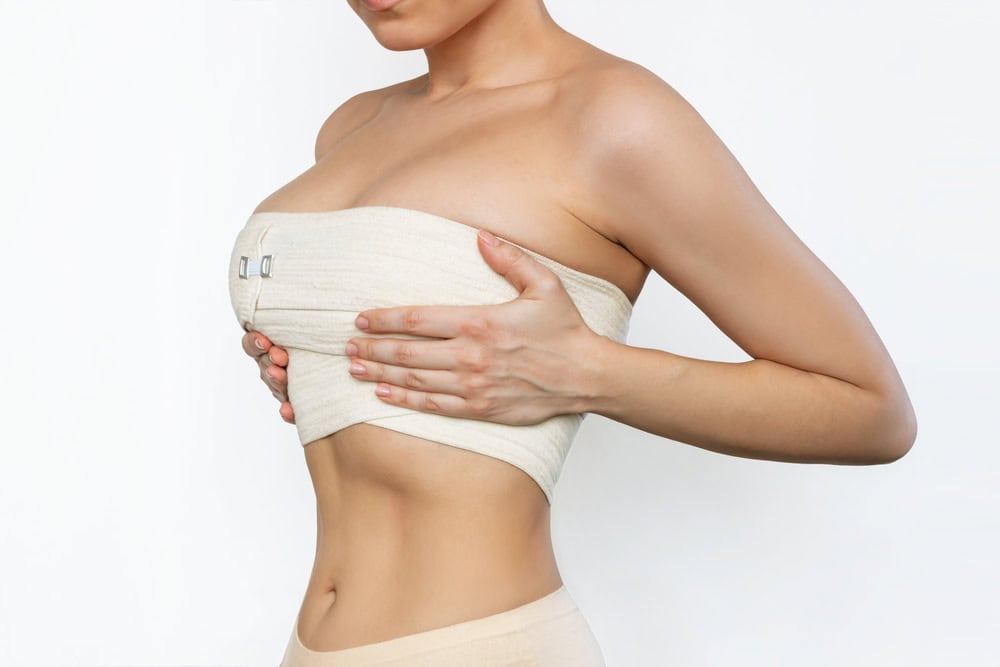
Discovering that your breast surgery did not turn out the way you hoped is a uniquely frustrating experience. Maybe your implants shifted out of place. Maybe one breast looks noticeably different from the other, or the results just never settled the way they were supposed to. Whatever the situation, you are not stuck with it. Breast revision surgery exists specifically to correct these outcomes, whether the original issue was a surgical complication, a poor initial technique, or simply a result that no longer matches your body or preferences.
Dr. A.J. Khalil, our Beverly Hills plastic surgeon, considers breast revision to be some of the most rewarding work he does, since it gives patients back a result they can finally feel confident in. Take the first step toward restoring your confidence and achieving the results you deserve. Contact Dr. A.J. Khalil’s Beverly Hills office today by calling (310) 385-8601 to schedule your personalized consultation and discuss your breast revision options.
What Counts as a “Botched” Breast Surgery?
There is a wide range of outcomes that fall under this umbrella, and not all of them stem from surgeon error. Bodies change over time, implants can shift, and even a well performed original surgery can develop complications years later. Some of the most common issues patients come in with include:
- Capsular contracture, where the scar tissue that naturally forms around an implant hardens and tightens, sometimes causing pain or visibly distorting the breast shape
- Implant malposition, where an implant has shifted out of its original pocket, creating problems like a “double bubble,” where an extra crease appears above or below the natural fold
- Symmastia, sometimes called uniboob, where the implants have moved too close together and merged the appearance of the breasts into one
- Rippling, most common with saline implants, where wrinkles become visible or palpable under the skin
- Rupture or deflation, which is usually obvious with saline implants and harder to detect with silicone without imaging
- Uneven results, where one breast sits higher, lower, or looks a different size or shape than the other
- Dissatisfaction with size or shape, simply wanting a different look than what was originally chosen
Whether the cause is a genuine complication or a change of heart, revision surgery is designed to address it.
Why These Problems Happen

Understanding why a primary breast procedure produces unsatisfactory results often comes down to two primary categories: technical or surgical factors, and physiological changes over time.
Surgical and Technical Factors
In some instances, complications arise due to suboptimal technique or planning during the initial procedure. A surgical approach that is not tailored to a patient’s specific anatomical framework, such as selecting an inappropriate incision site, creating an oversized implant pocket, or over-dissecting tissue, can compromise structural support. Overly aggressive tissue dissection is a major contributor to conditions like symmastia (where the implants merge toward the midline) or implant malposition (where implants shift downward or laterally out of place). Additionally, selecting an implant size or profile that exceeds what the patient’s natural tissue envelope can comfortably accommodate can lead to early sagging, visible rippling, or tissue thinning over time.
Physiological and Biological Changes
Even when an original surgery is executed flawlessly, the body continually evolves. Significant weight fluctuations, pregnancy, breastfeeding, and the natural loss of skin elasticity associated with aging can all drastically alter the surrounding breast tissue, breast position, and overall contour. As the natural tissue thins or sags, the underlying implants may shift or become much more pronounced. Biological reactions, such as the body hyper-reacting to an implant by forming tight, hardened scar tissue (capsular contracture), can also alter the shape and comfort of the breast regardless of surgical skill.
Implant Longevity and Wear
Breast implants are medical devices, not lifelong permanent fixtures. Over time, the structural integrity of both saline and silicone implants gradually declines. Shell wear, subtle deflation, or silent ruptures can occur over years of normal movement. For this reason, plastic surgeons generally recommend evaluating and potentially replacing implants every ten to twenty years to maintain optimal safety, symmetry, and aesthetic balance.
How Breast Revision Surgery Works
The specific approach depends entirely on what is being corrected. In many cases, revision involves removing the existing implants and replacing them with new ones that are better suited to the patient’s goals and anatomy. This might mean adjusting the size, switching between saline and silicone, or repositioning the implant pocket entirely to correct malposition or symmastia.
If capsular contracture is the issue, the surgeon typically removes the hardened scar tissue capsule along with the implant before placing a new one. In cases where the patient wants to go without implants altogether, a skilled surgeon can reshape the remaining natural tissue so the breasts still look lifted and proportionate. Depending on the degree of correction needed, a breast lift is often performed at the same time to address sagging that may have developed or become more noticeable with the original implants.
Throughout the process, a good Beverly Hills plastic surgeon spends real time in consultation understanding exactly what went wrong from the patient’s perspective and what result they are hoping for this time around.
Recovery After Revision Surgery
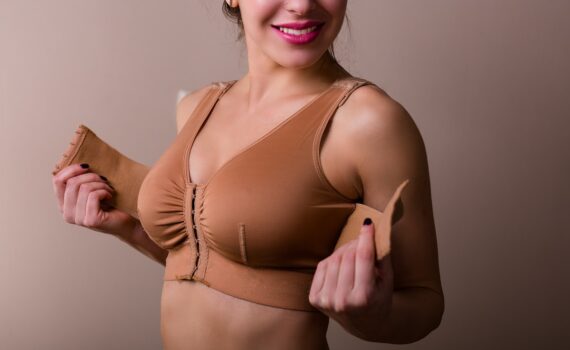
Recovery from breast revision is quite similar to recovering from an original breast augmentation, though it can vary depending on the complexity of the correction. Mild to moderate bruising, swelling, and some discomfort are common in the days following surgery. Most patients are advised to wear a compression garment or support bra to protect the healing tissue and reduce swelling.
Heavy lifting and strenuous activity should generally be avoided for at least the first two weeks, though many patients feel ready to return to a desk job within one to two weeks. Full healing and final results can take longer to settle compared to a first time augmentation, so patience during this window really does pay off. A good surgeon stays available throughout recovery to answer questions and address any concerns as they come up.
Frequently Asked Questions
How do I know if I need breast revision surgery?
Some signs are obvious, like implants that appear ruptured, visibly shifted, or rippled. Others are more subtle, like ongoing discomfort, hardening around the implant, or simply feeling unhappy with how your breasts look or feel years after your original surgery. If something feels off, whether physically or aesthetically, it is worth scheduling a consultation with an experienced plastic surgeon in Beverly Hills to get a clear answer.
Is breast revision surgery riskier than the original augmentation?
It can involve more complexity depending on what needs to be corrected, particularly if scar tissue removal or significant repositioning is required. That said, in the hands of an experienced surgeon, breast revision is a well established procedure with predictable techniques for addressing nearly every common complication.
Can I switch from silicone to saline implants, or the other way around, during revision?
Yes, this is one of the most common reasons women pursue revision surgery. Many patients change their mind about implant material after living with their results for a while, and a surgeon can swap implant types during the revision procedure as long as the patient meets the standard age and health requirements for the new implant type.
Will insurance cover breast revision surgery?
It depends on the reason for the surgery. If revision is being performed to address a documented medical complication, such as capsular contracture, rupture, or a diagnosed condition like BIA-ALCL, insurance may provide some coverage. If the surgery is purely for cosmetic preference, such as wanting a different size, it is typically considered elective and not covered.
Get the Results You Should Have Had the First Time
Living with a breast surgery result you are unhappy with does not have to be permanent. Dr. A.J. Khalil has helped many women throughout Los Angeles correct complications and finally achieve the natural, proportionate look they wanted from the start.
If your current results are not what you envisioned, a consultation at our plastic surgery office in Beverly Hills is the best place to explore your options for getting it right. Schedule your breast revision today by calling (310) 385-8601.